Get Industrial Roof Replacement
Industrial roof replacement services help property owners address leaks, damage, or aging roofs through repairs or complete upgrades handled by trusted local contractors.
If you are considering a roof replacement for an industrial property, you're in the right place to explore your options. Upgrading or replacing an aging or damaged roof can be a practical step toward maintaining the safety, efficiency, and value of a commercial or industrial facility. Property owners often look into this work to prevent costly repairs down the line, improve energy efficiency, or meet safety standards. By comparing local service providers, you can find experienced contractors who understand the specific demands of industrial roofing projects and can help plan a solution tailored to your property's needs.
Continuing to review your options allows for a clearer understanding of the services available in the area. Local contractors can provide insights into the best materials and techniques suited for your roof type and environment, helping you make informed decisions. Whether you're updating an existing structure or preparing for future use, connecting with qualified service providers can support a well-planned project that aligns with your property's operational requirements. Keep reading to discover how to find the right partners for your industrial roof replacement needs.
- Industrial Warehouse Roof Replacement - needed when a large commercial roof shows signs of extensive damage or aging.
- Manufacturing Facility Roof Replacement - required when ongoing leaks or structural issues compromise production safety.
- Factory Roof Replacement - necessary after years of wear, weather damage, or to improve insulation performance.
- Distribution Center Roof Replacement - essential when roof integrity affects the safety and efficiency of logistics operations.
- Storage Facility Roof Replacement - sought when roof deterioration threatens stored goods and operational continuity.
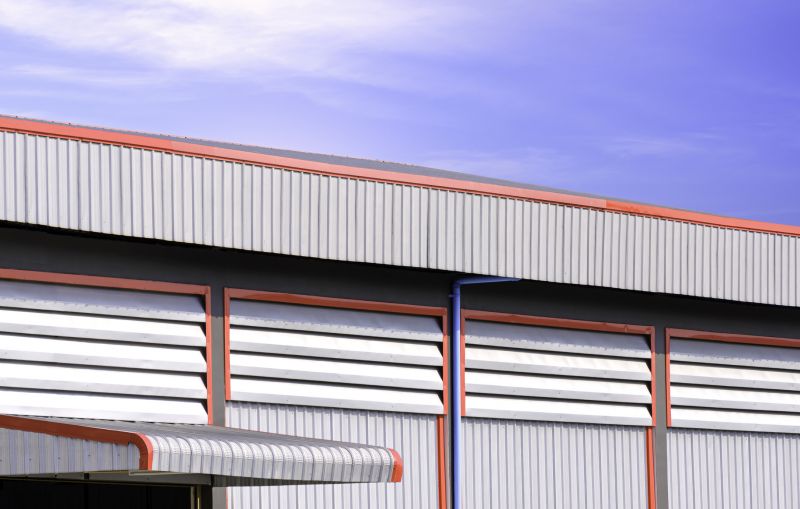
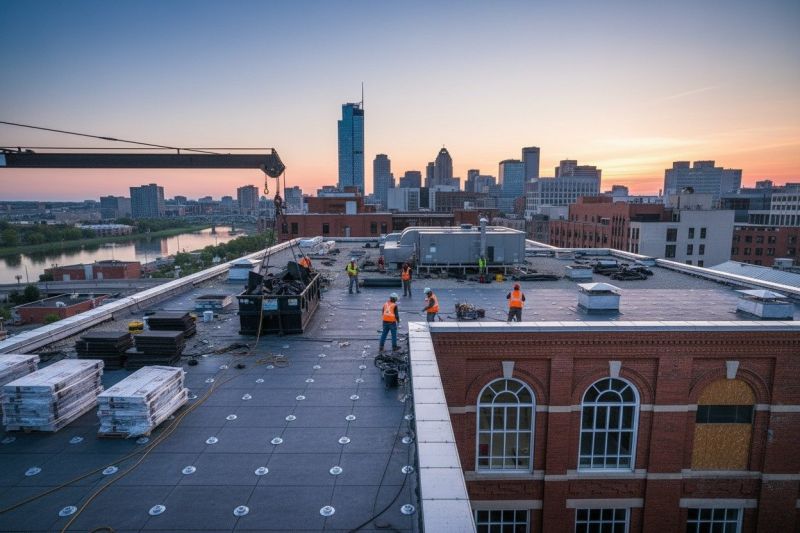
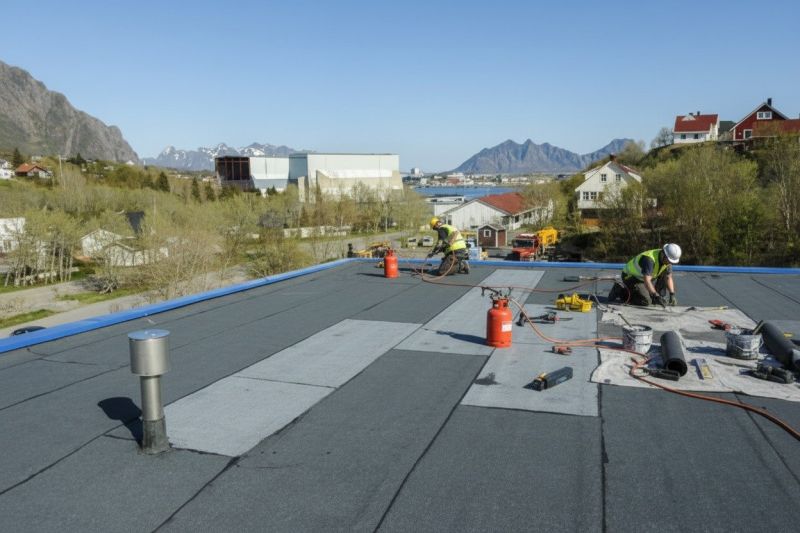
Industrial roof replacement services involve removing an existing roof structure and installing a new, durable roofing system designed to meet the specific needs of commercial or industrial properties. This process typically begins with a thorough assessment of the current roof’s condition, followed by the careful removal of damaged or outdated materials. The new roofing systems installed can vary based on the property’s use, climate considerations, and budget, but generally focus on providing long-lasting protection, improved energy efficiency, and enhanced structural integrity. Skilled local contractors ensure that the replacement is carried out efficiently, adhering to industry standards to minimize disruption to business operations.
Many common problems can signal the need for an industrial roof replacement. These include persistent leaks, extensive roof surface damage, or signs of wear such as cracked or blistered materials. Over time, roofs exposed to the elements may develop corrosion, mold, or structural weaknesses that compromise their ability to protect the building. An aging roof may also fail to meet current safety or building codes, making replacement essential for maintaining a secure environment. Addressing these issues promptly through professional roof replacement can prevent more costly repairs in the future and help ensure the property remains safe and operational.
Industrial roof replacement services are typically sought for warehouses, manufacturing facilities, distribution centers, and large commercial buildings. These properties often have flat or low-slope roofs that require specialized materials and installation techniques. The scope of work can range from replacing a small section of roofing to a complete overhaul of the entire roof structure. Property owners who notice signs of deterioration or experience frequent leaks may consider replacement to restore the building’s integrity and avoid ongoing maintenance issues. Local contractors experienced in industrial roofing can provide tailored solutions that meet the specific demands of these large-scale properties.
For property owners considering an industrial roof replacement, understanding when and why to upgrade is crucial. This service helps solve problems related to aging materials, weather damage, and structural weaknesses that can threaten the safety and functionality of a building. It is especially relevant for facilities that require reliable protection for valuable equipment, inventory, or personnel. By connecting with local service providers who specialize in industrial roofing, property owners can explore options for durable, high-performance roofing systems designed to withstand the demands of their specific property. Properly replacing an aging roof can extend the lifespan of the building and support ongoing operational needs.
The overview below groups typical Industrial Roof Replacement projects into broad ranges so you can see how smaller, mid-sized, and larger jobs often compare in your area.
In many markets, a large share of routine jobs stays in the lower and middle ranges, while only a smaller percentage of projects moves into the highest bands when the work is more complex or site conditions are harder than average.
Smaller Repairs - typical costs for minor roof repairs on industrial buildings generally range from $250 to $600. Many routine fixes fall within this band, with fewer projects reaching higher amounts for additional work or materials.
Partial Replacement - replacing sections of an industrial roof often costs between $2,000 and $5,000. Larger, more complex partial replacements can exceed this range, but most projects stay within the middle tiers.
Full Roof Replacement - complete industrial roof replacements usually fall between $10,000 and $25,000. Larger or more intricate projects can go beyond this, though many service providers complete standard replacements within this range.
Complex or Large-Scale Projects - extensive or highly customized roof replacements can cost $30,000 or more. These projects are less common but are handled by local contractors for large or specialized facilities.
Actual totals will depend on details like access to the work area, the scope of the project, and the materials selected, so use these as general starting points rather than exact figures.
Commercial Roofing Repairs - local contractors experienced in repairing large-scale roofs can apply similar skills and tools used in industrial roof replacement projects.
Warehouse Roof Coatings - professionals who install protective coatings on warehouse roofs utilize planning and techniques comparable to industrial roof upgrades.
Industrial Flashing and Waterproofing - service providers skilled in sealing and waterproofing industrial roofs often handle related projects requiring precise planning and specialized tools.
Metal Roof Installations - local pros capable of installing or replacing metal roofing systems share methods and equipment with industrial roof replacement services.
Roof Inspection and Assessment - experts conducting detailed roof evaluations for large facilities employ similar planning and inspection techniques used in industrial roofing projects.
Structural Reinforcement for Roofing - contractors specializing in reinforcing roof structures for industrial buildings utilize comparable skills in planning and material handling.
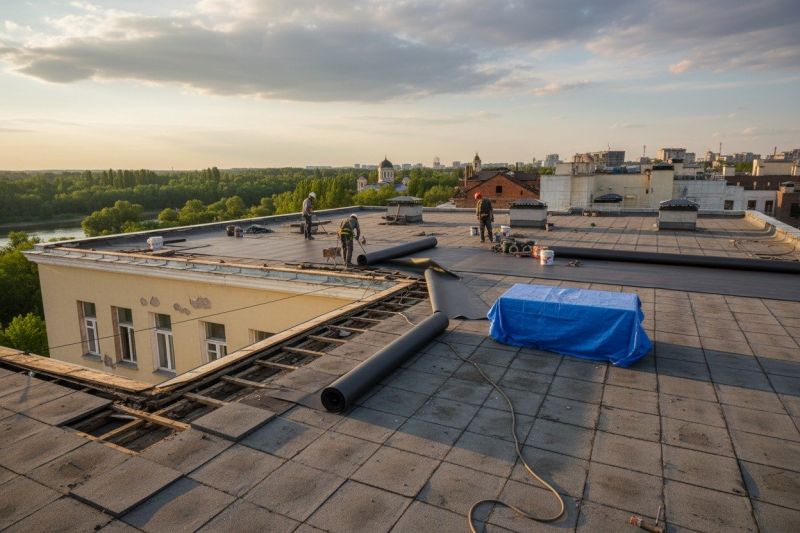
When evaluating options for industrial roof replacement, it is important to consider a contractor’s experience with similar projects. An experienced service provider will have a proven track record of handling large-scale roofing jobs, understanding the unique challenges that come with industrial structures, and applying effective solutions. Homeowners should look for local contractors who can demonstrate familiarity with the specific requirements of industrial roofing, ensuring they have the practical knowledge needed to manage the scope and complexity of the work.
Clear written expectations are essential to a successful roofing project. Pros who provide detailed proposals, including scope of work, materials to be used, and project milestones, help establish transparency and prevent misunderstandings. Homeowners should seek out local service providers who are willing to communicate their process clearly, answer questions thoroughly, and provide documentation that outlines what will be done. This clarity can help ensure that everyone is aligned on the project’s goals and deliverables from the outset.
Reputable references and strong communication are key indicators of a reliable contractor. Homeowners are encouraged to ask potential service providers for references from previous clients with similar projects. Listening to feedback from past customers can offer insight into the contractor’s professionalism, quality of work, and responsiveness. Additionally, good communication throughout the process-whether through timely updates or responsiveness to inquiries-helps build confidence and ensures that the project proceeds smoothly. It is important to remember that the site introduces homeowners to local options, connecting them with qualified service providers rather than performing the work itself.
Property owners use Industrial Roof Replacement services for practical projects around their homes and businesses. This guide focuses on everyday jobs and straightforward project options.
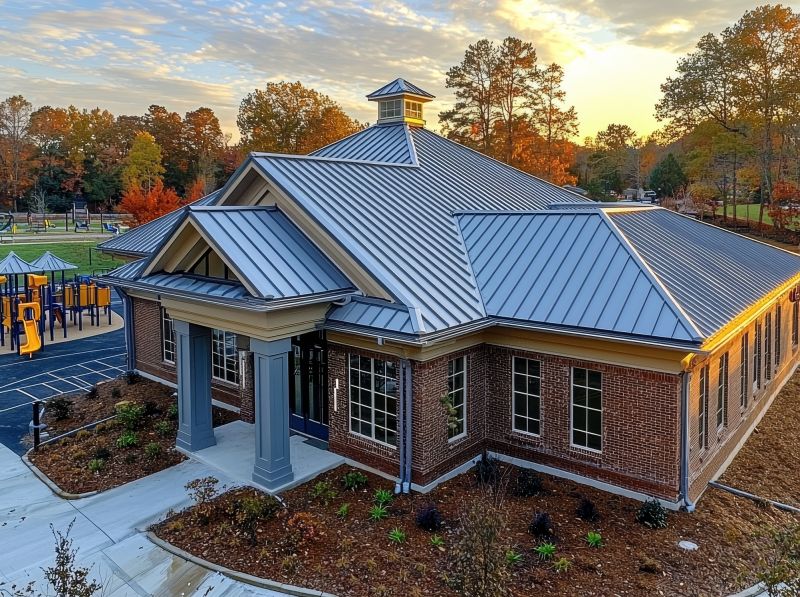
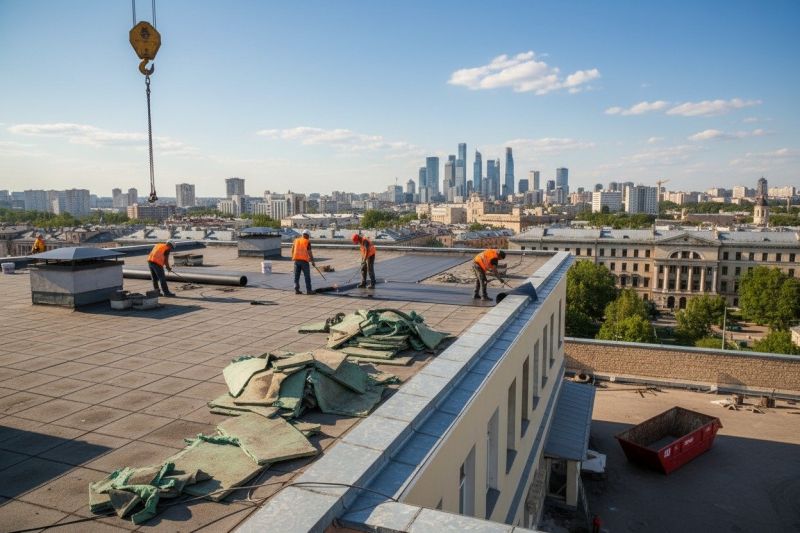
Industrial roof replacement is often needed when property owners notice signs of wear and tear, such as leaks, cracks, or visible damage to their roof surfaces. These issues can lead to water intrusion, structural concerns, or increased energy costs, prompting property managers or business owners to seek professional services. Local contractors are equipped to assess the condition of existing roofs and recommend suitable replacement options to ensure the integrity and safety of the building.
In many cases, property owners turn to local service providers when their industrial roofs reach the end of their lifespan or experience frequent repairs. Upgrading an aging roof can improve building performance and prevent costly repairs down the line. Whether due to weather-related damage, age, or the need for a more durable material, local contractors can handle the replacement process efficiently, helping property owners maintain a secure and functional facility.
What types of industrial roofs can be replaced? Local contractors can handle a variety of industrial roof types, including metal, built-up, and membrane roofs, ensuring the replacement matches the existing structure.
How do I know if my industrial roof needs replacement? Signs such as persistent leaks, extensive damage, or aging materials may indicate the need for a roof replacement, and local service providers can assess the condition.
What materials are commonly used for industrial roof replacements? Common materials include metal panels, thermoplastic membranes, and asphalt-based systems, with local contractors able to recommend suitable options based on your building's needs.
Can local contractors handle roof replacements for large industrial facilities? Yes, experienced local service providers are equipped to manage roof replacements for industrial buildings of various sizes and complexities.
What should I consider when planning an industrial roof replacement? Factors like building usage, existing roof condition, and material compatibility are important; local pros can provide guidance tailored to your project.
Commercial Roof Replacement - Property owners managing warehouses or retail spaces can explore roof replacement options to ensure the safety and functionality of their buildings.
Industrial Roof Repair Solutions - Facility managers seeking to address leaks or damage can connect with service providers specializing in durable roof repairs for industrial settings.
Roof Inspection and Assessment - Business owners can schedule inspections to evaluate the condition of their roofs and plan necessary replacements or upgrades.
Preventive Maintenance Planning - Property managers can work with contractors to develop maintenance strategies that extend the lifespan of their industrial roofs.
If you are thinking about Industrial Roof Replacement for a property, this guide is meant to help you understand the work, the typical project types, and how different options might fit your plans.
When you are ready, you can use the quote form on this page to share a few details about your project. From there, local pros can review the basics and respond with options that match what you have in mind.