Get Roof Flashing Installation
Roof flashing installation services help property owners prevent leaks and water damage by properly sealing roof joints, chimneys, vents, and skylights with experienced local contractors.
Roof flashing installation is a key component in protecting a property from water intrusion and structural damage. If you're considering upgrades or repairs to your roofing system, understanding the importance of properly installed flashing can help ensure long-lasting results. Property owners in the area often explore this work to enhance their roof’s durability, prevent leaks, and maintain the overall integrity of their buildings. Continuing to read can provide valuable insights into how local contractors can assist with your project needs.
When planning a roofing project, comparing options among local service providers can help identify the right fit for your property. Many property owners seek experienced contractors who specialize in roof flashing installation to ensure quality craftsmanship and reliable results. Exploring your local choices allows you to gather information and make informed decisions about the best approach for your roof’s protection and performance.
- Roof Flashing Installation - needed when installing new roofing to ensure proper water runoff and prevent leaks.
- Roof Repair Projects - required if existing flashing is damaged or deteriorated, leading to potential water intrusion.
- Roof Renovation Work - necessary during upgrades or remodeling that involve replacing or upgrading flashing components.
- Leak Prevention Services - essential when addressing persistent roof leaks that may be caused by faulty or missing flashing.
- Storm Damage Repairs - needed after severe weather events to replace or reinforce flashing compromised by wind or hail.
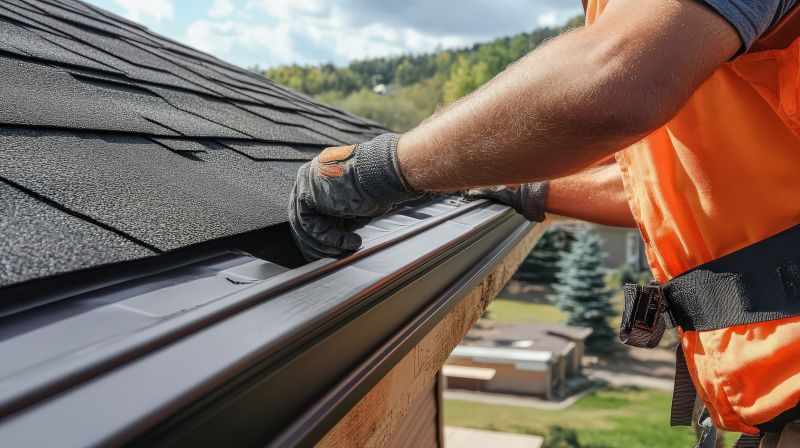

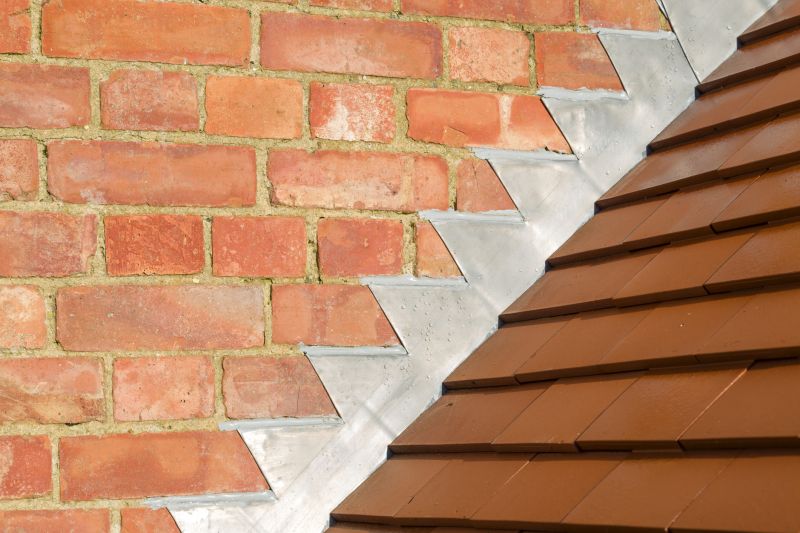
Roof flashing installation services involve placing specialized metal strips around critical areas of a roof, such as chimneys, vents, skylights, and along roof edges. These metal pieces are designed to create a watertight barrier, preventing water from seeping into the roof structure and causing damage. Proper installation of roof flashing is essential to ensure that these vulnerable points are sealed effectively, protecting the interior of the property from leaks and water-related issues.
This service is particularly valuable for addressing common roofing problems like leaks, water stains on ceilings, or mold growth caused by water infiltration. Over time, flashing can become damaged, corroded, or improperly installed, which increases the risk of leaks. Local contractors specializing in roof flashing installation can assess existing flashing or install new components to reinforce the roof’s defenses. This helps avoid costly repairs and preserves the integrity of the roof and underlying structures.
Properties that often require roof flashing installation include residential homes, especially those with complex roof designs, as well as commercial buildings with multiple roof penetrations. Homes with chimneys, skylights, or vent pipes are especially prone to water entry if flashing is missing or compromised. Additionally, older properties may need flashing upgrades to meet current standards or to replace deteriorated materials. Service providers can tailor their work to fit the specific needs of each property, ensuring effective water protection.
Homeowners who notice signs of water intrusion, such as leaks during heavy rain or water stains on ceilings, should consider having their flashing inspected and possibly replaced. Proper flashing installation is a practical solution for preventing ongoing water damage and maintaining the durability of the roof. Contacting experienced local contractors can help identify vulnerabilities and ensure high-quality installation, providing long-term protection for the property’s roof and interior spaces.
The overview below groups typical Roof Flashing Installation projects into broad ranges so you can see how smaller, mid-sized, and larger jobs often compare in your area.
In many markets, a large share of routine jobs stays in the lower and middle ranges, while only a smaller percentage of projects moves into the highest bands when the work is more complex or site conditions are harder than average.
Smaller Repairs - Most minor roof flashing repairs cost between $250 and $600. Many routine fixes fall within this range, depending on the extent of damage and accessibility for local contractors.
Moderate Repairs - For more extensive repairs or partial replacements, costs typically range from $600 to $1,500. Projects in this band are common when multiple areas need flashing attention or replacement.
Full Replacement - Replacing roof flashing across a larger section or entire roof can cost between $1,500 and $3,000. Larger, more complex projects tend to reach the higher end of this range.
Complex or Custom Work - Very detailed or custom flashing installations may exceed $3,000, with some high-end projects reaching $5,000 or more, though such jobs are less frequent and depend on specific design requirements.
Actual totals will depend on details like access to the work area, the scope of the project, and the materials selected, so use these as general starting points rather than exact figures.
Chimney Flashing Installation - involves similar skills in sealing and waterproofing roof penetrations to prevent water intrusion around chimneys.
Skylight Flashing Replacement - requires precise installation and sealing techniques to ensure watertightness around skylights on roofs.
Roof Valley Flashing - involves installing and repairing flashing in roof valleys to direct water away from vulnerable areas.
Gutter and Eaves Flashing - includes installing protective flashing along gutters and eaves to prevent water damage and leaks.
Vent Pipe Flashing - focuses on sealing around vent pipes to prevent leaks and water penetration through roof penetrations.
Dormer Flashing Services - involves installing and repairing flashing around dormer windows to maintain roof integrity and prevent leaks.
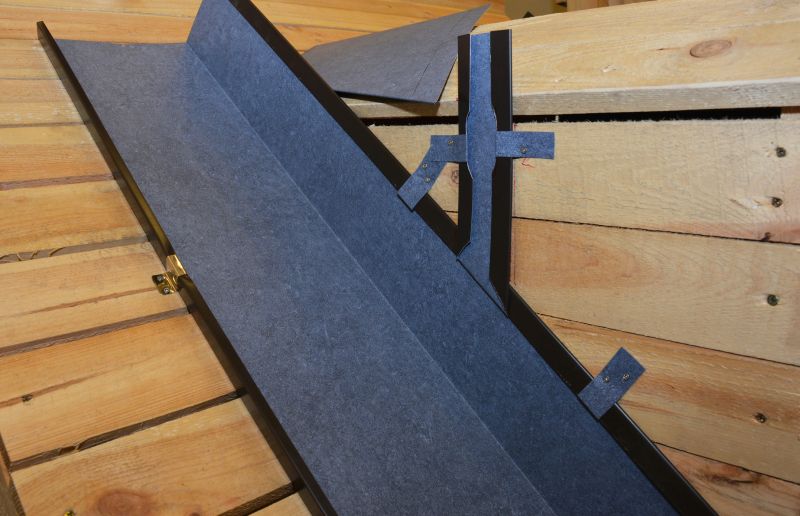
When comparing service providers for roof flashing installation, it is important to consider their experience with similar projects. Homeowners should inquire about how long a local contractor has been working on roof flashing and whether they have handled projects comparable in scope and complexity. An experienced professional will likely be familiar with best practices, common challenges, and effective solutions specific to flashing installation, which can contribute to a more reliable and durable outcome.
Clear, written expectations are essential for ensuring that both the homeowner and the contractor are aligned on project details. When evaluating local pros, it’s helpful to review their proposals or estimates to see if they specify the scope of work, materials to be used, and any warranties or guarantees. Having these details documented can help prevent misunderstandings and provide a point of reference throughout the project, fostering transparency and confidence in the selection process.
Reputable references and good communication are also key factors when choosing a contractor. Homeowners should ask for references from previous clients who had similar work done and follow up to learn about their experiences. Additionally, effective communication-such as responsiveness to questions, clarity in explanations, and professionalism-can make the entire process smoother. While the site introduces homeowners to local service providers capable of handling roof flashing installation, it is ultimately up to the homeowner to assess these qualities to find a trusted partner for the job.
Property owners use Roof Flashing Installation services for practical projects around their homes and businesses. This guide focuses on everyday jobs and straightforward project options.

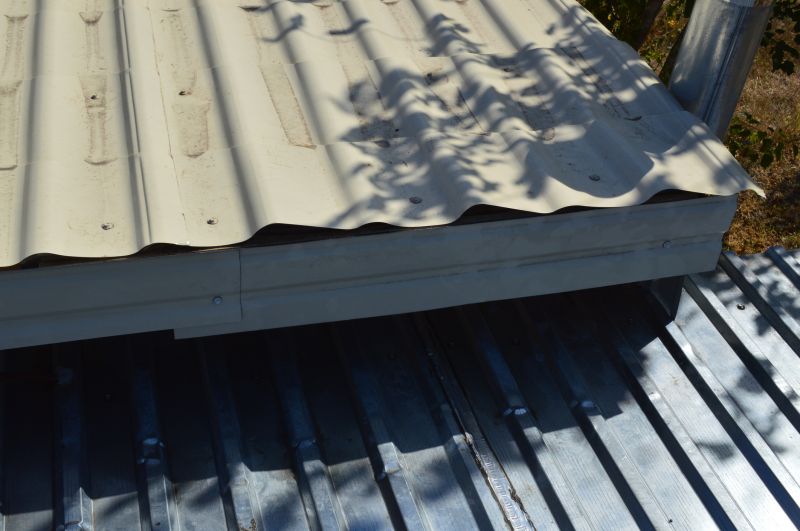
Roof flashing installation is a common project for property owners dealing with leaks or water intrusion around chimneys, vents, skylights, or roof joints. Over time, flashing can become damaged, corroded, or improperly installed, leading to potential water damage inside the building. Local contractors who specialize in roof flashing can assess the condition of existing flashing and perform repairs or replacements to help protect the property from water-related issues.
Homeowners and property managers might seek flashing services when constructing a new roof or making updates to an existing one. Properly installed flashing ensures that areas prone to water exposure are sealed effectively, preventing leaks and structural damage. Connecting with experienced local service providers can help ensure the job is done correctly, offering peace of mind that the roof’s vulnerable points are well protected.
What is roof flashing installation? Roof flashing installation involves adding or repairing metal or other weatherproof materials around roof joints, chimneys, vents, and skylights to prevent water leaks and protect the roof structure.
Why is proper roof flashing important? Proper roof flashing helps direct water away from critical areas of the roof, reducing the risk of leaks, water damage, and structural issues over time.
What types of roof flashing are commonly installed? Common types include step flashing, continuous or base flashing, and valley flashing, each designed for specific roof features and weatherproofing needs.
How do local contractors ensure correct roof flashing installation? Local contractors follow best practices for flashing placement, sealing, and integration with roofing materials to ensure effective water protection and durability.
What should be considered when choosing a contractor for roof flashing installation? It's important to select service providers with experience in roofing systems, good reputation, and knowledge of local building codes and weather conditions.
Roof Flashing Installation - Protect roof joints and edges by installing durable flashing to prevent leaks during heavy rain.
Prevent Water Damage - Improve the weather resistance of a home by ensuring flashing is properly installed around chimneys, vents, and skylights.
Upgrade Roofing Systems - Enhance the longevity of a roof by replacing or adding flashing when performing roof repairs or replacements.
Improve Home Safety - Reduce the risk of water infiltration that can cause structural issues by having experienced service providers handle flashing installation.
If you are thinking about Roof Flashing Installation for a property, this guide is meant to help you understand the work, the typical project types, and how different options might fit your plans.
When you are ready, you can use the quote form on this page to share a few details about your project. From there, local pros can review the basics and respond with options that match what you have in mind.